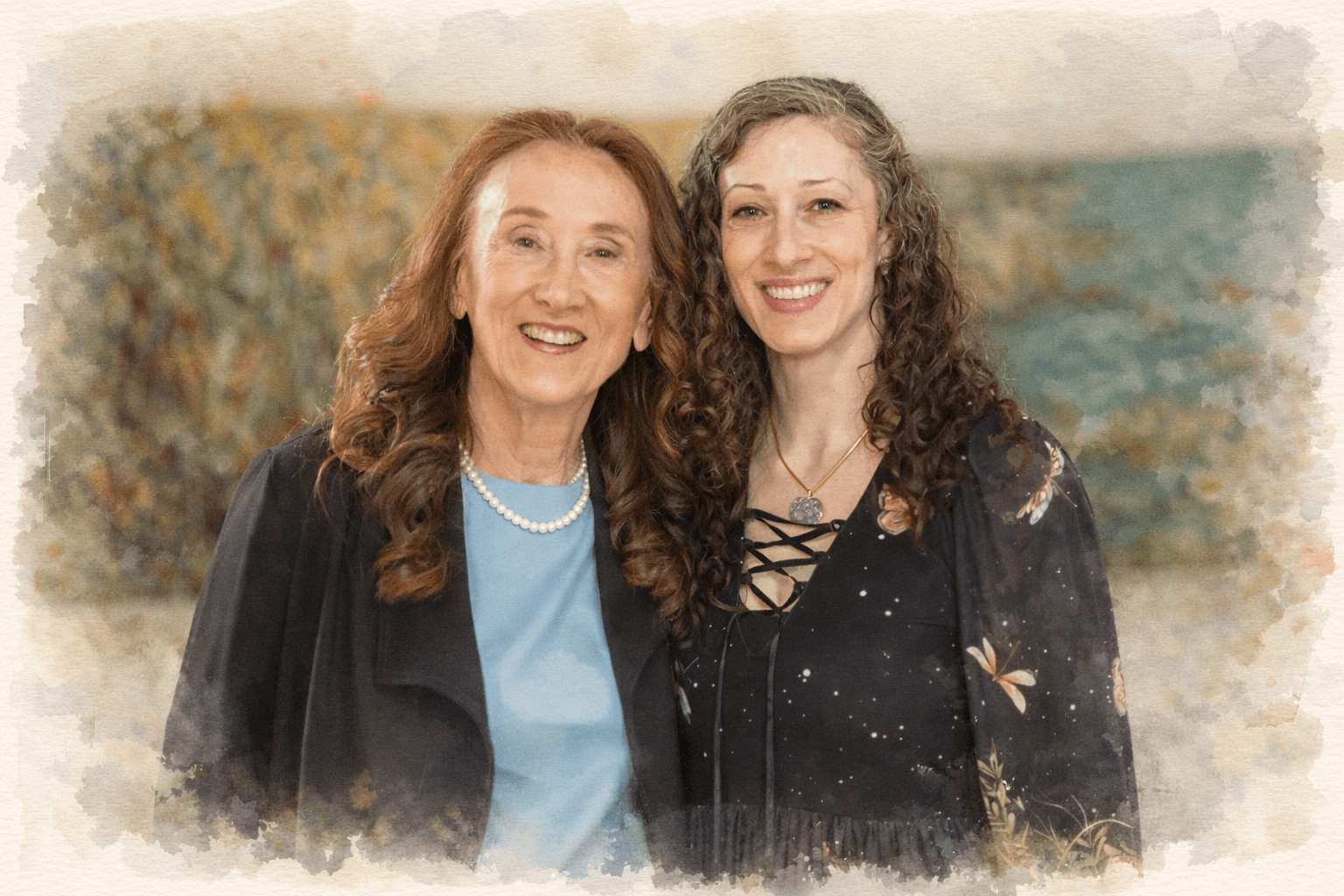
Love, Loss, and Healing: A Daughter’s Story
How Building the Right Team Improved a Mother’s Quality of Life and Helped a Daughter Reclaim Her Own
In December 2019, Annatova was traveling for work when her mom, Terry, called with a simple request. She couldn’t remember how to upload and share an insect study spreadsheet, something Annatova had shown her more than once.
It didn’t fit. Terry was curious, capable, always ahead with new tech, meticulously cataloging insect photos in Latin. Suddenly, a simple task that she had mastered before left her confused. Something had shifted.
As her mother’s decline grew more apparent, Annatova faced a choice familiar to many adult children: let caregiving overwhelm her or take charge. She chose to lead.
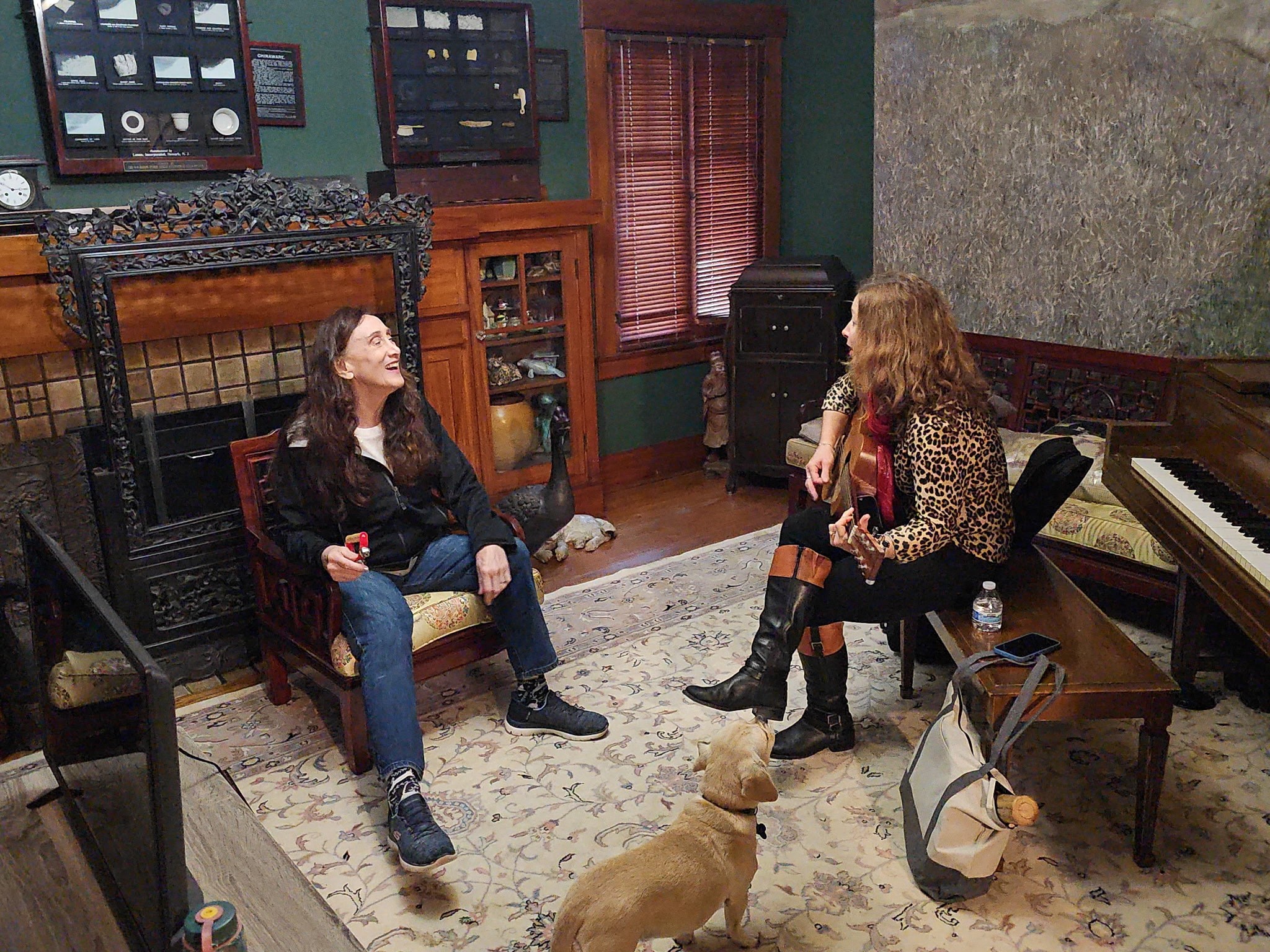
“I had always tried to be a good daughter,” Annatova says. “I really made an effort to connect with my mother as much as possible.”
Rather than letting overwhelm take over, she stepped into the role of architect for her mom’s care, a decision that would change both of their lives.
Terry’s Early Dementia Signs
After the spreadsheet moment, Terry’s changes grew harder to explain away. Annatova noticed patterns that felt subtle at first, then increasingly unsettling. A debt collector showed up over unpaid bills. A stranger was invited to stay in the home. Other behaviors stacked up in ways that didn’t feel like “normal aging” or simple forgetfulness.
Dementia compounded by other mental health concerns and aphasia meant that Terry’s needs were increasing, and someone needed to step in to offer her support. That someone was Annatova.
“I’m the perfect person for this job. No one else can do this job,” she says, reflecting on the moment she realized the responsibility was hers to take on.
Suddenly, the challenge wasn’t just about understanding Terry’s needs, it was about managing them alongside a demanding career. Frequent travel and long hours added pressure, forcing Annatova to make tough decisions about how to support both her work and her mother. As she explored remote roles and new options, she recognized that her experience in project management and strategy gave her the tools to lead her mom’s care, transforming a daunting situation into a meaningful opportunity.
“I’ve been with her my whole life. I’ve seen her through 30, 40 years of changes. I know her,” Annatova explains.
With that clarity, she stepped fully into the role she now calls the CEO of “Taking Care of Terry.”
Taking Care of Terry as "CEO"
Before stepping into caregiving, Annatova had a successful marketing career at Adidas in Portland, managing complex projects and coordinating cross-functional teams. Her work demanded organization, adaptability, and the ability to keep big-picture goals in focus while moving initiatives forward.
When Terry’s needs grew, Annatova applied those skills in a new way. “I approach this like a project as much as I can,” she says. “I need to look at this as: it is my mother, but it’s also my job.” She set goals, built timelines, identified gaps, and coordinated with experts to manage Terry’s care and preserve her quality of life.
“I realized I couldn’t be the expert in everything,” she explains. “The only way this could work was if I built the right team around Terry and around me.”
She even developed a comprehensive slide deck outlining her 2026 vision for Terry’s care (see above). Sharing it with her team ensured alignment and accountability, reflecting her philosophy: caregiving is deeply personal, but it also requires strategy, collaboration, and forward-thinking.
This approach reinforced one essential lesson: Terry’s complex needs could not be met by a single person. Continuity, expertise, and teamwork were essential.
Building a Circle of Care
To realize her vision of Terry’s ideal care team, Annatova partnered with About Senior Solutions as Terry’s care management team, coordinating medical oversight and long-term planning.
Mary Winners, owner of About Senior Solutions, quickly recognized that Annatova wasn’t approaching this passively. She was building something intentional.
“What stands out about Annatova is how open and collaborative she is,” Mary says. “She listens, considers the options, and is always willing to adjust if it means a better outcome for her mom. That mindset makes it possible to build a truly supportive care team.”
That openness laid the groundwork for a strong, coordinated circle of care, one built on trust, flexibility, and shared accountability rather than crisis response.
Terry is supported weekly by her two care managers, who help coordinate services and provide guidance and encouragement to keep her goals on track. Laura specializes in occupational therapy (OT) and Debra is earning her Master’s Degree in Gerontology, which is especially helpful in helping her to remain healthy, strengthening her daily living skills, and supporting her active, independent lifestyle.
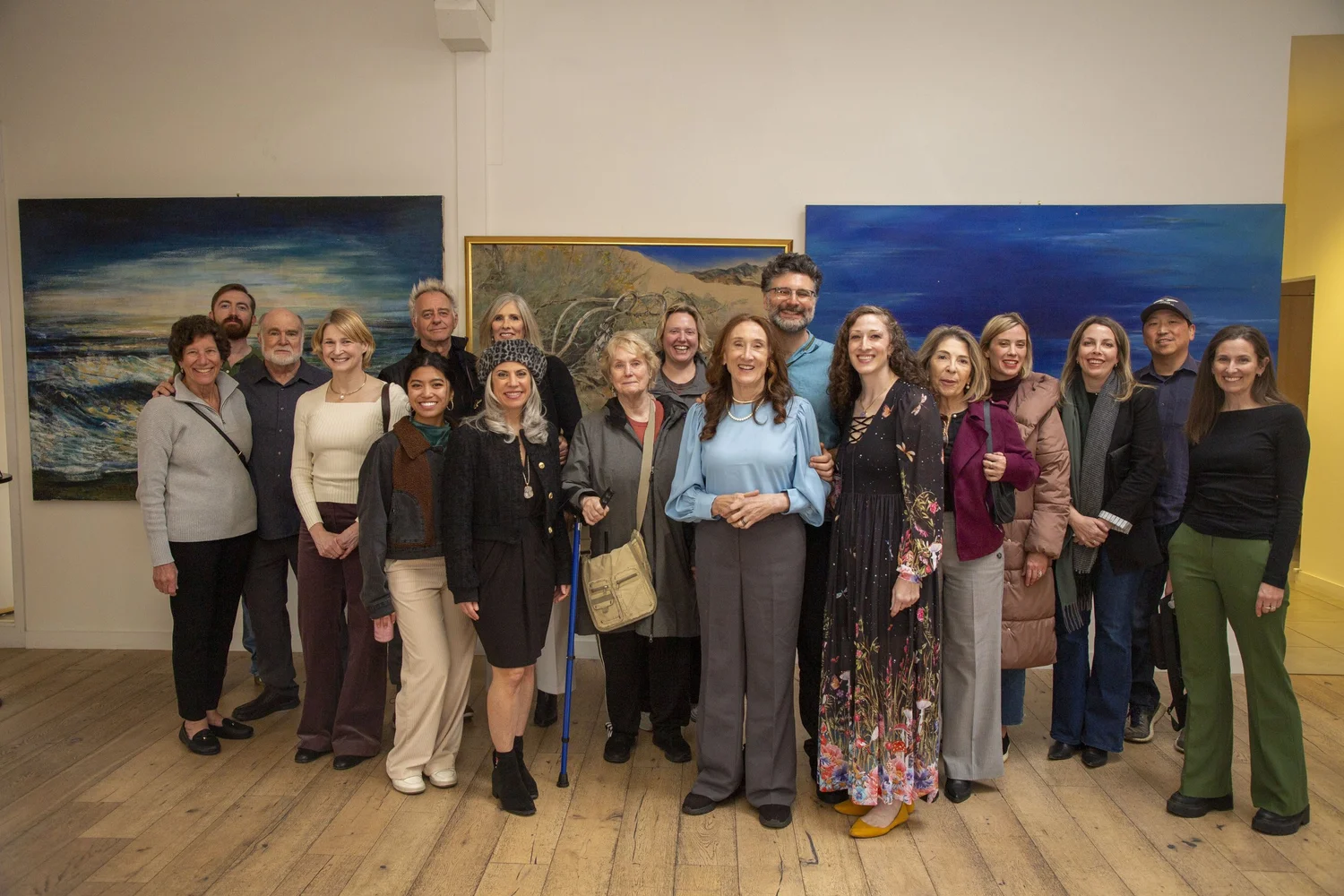
About Senior Solutions connected Annatova with trusted local professionals to help ensure Terry received the highest quality of care, including introducing her to CareFamily to establish a dedicated private caregiving team.
Annatova interviewed five private caregivers through CareFamily to ensure she found the best fit for her mom’s unique needs and personality. Annatova hired each caregiver directly and briefed them on Terry and what plan is in place to help her achieve her goal of continuing to age in place.
Consistency is essential because Terry’s aphasia makes communication unreliable. Annatova reads her mother’s face, movements, and emotions instead of relying on words alone. Having a dedicated team allows caregivers to understand Terry’s cues, prevent frustration, and respond to changes quickly, helping her feel seen and supported every day.
Other professionals also contribute to improving Terry’s quality of life, including Elizabeth with Sage Eldercare (Hummingbird) supporting social engagement activities and Lani visiting for in-home music therapy. Terry also receives in-home psychiatric support through monthly visits.
To ease daily health worries, Annatova added a nurse who visits each week, keeping small issues from escalating into doctor’s visits or health emergencies.
Each partner adds a layer of expertise so that no single person, including Annatova, bears the full weight.
Care That Preserves Quality of Life
Terry’s care continues to evolve and grow, keeping her safe, comfortable, and engaged.
Today, Terry enjoys ballet and dance classes, practices Tai Chi, and surrounds herself with art. This gives her identity, conversation, and familiarity.
With experts handling logistics, Annatova can focus on what matters most: enhancing Terry’s quality of life and preserving her dignity.
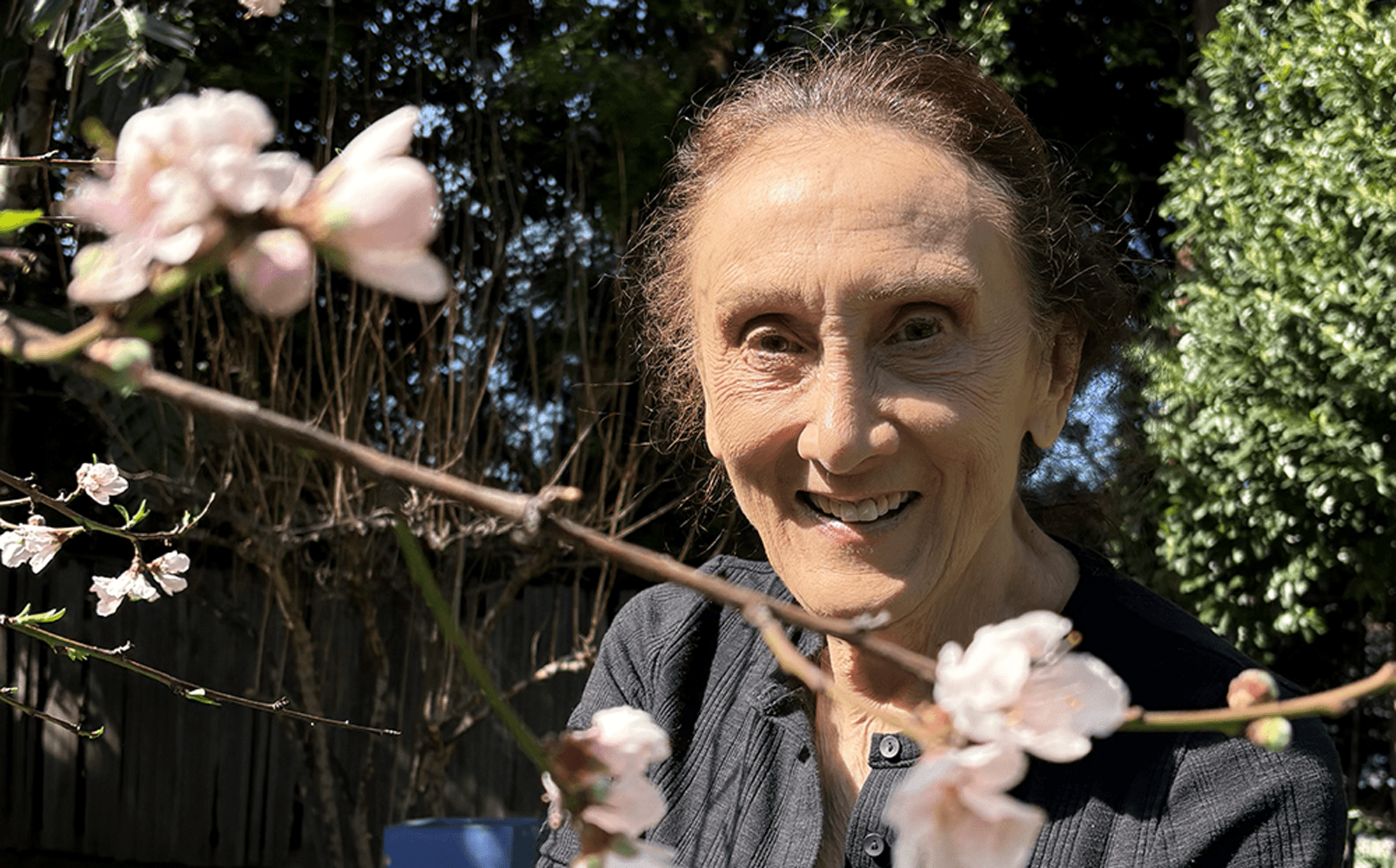
Meanwhile, Annatova regained her own rhythm. With the right system in place, she can protect her energy and space and prevent burnout.
Preventing Caregiver Burnout
According to the Alzheimer’s Association, nearly 70 percent of dementia caregivers report that coordinating care is stressful, a key contributor to emotional exhaustion and caregiver burnout.
By creating a structured care team to manage day-to-day tasks, medical oversight, and long-term planning, Annatova reduced the coordination burden that overwhelms many family caregivers.
This has allowed her to:
Establish boundaries
Redefine her role
Focus on strategic decisions
Proactively prevent burnout
“I am allowed to build my life the way I want to, to schedule my life the way I want to. I travel to Los Angeles monthly, but it’s on my own time. My choice. And that’s very important to me.”
Annatova has the space she needs to live where she wants to, travel intentionally, and protect her relationship and personal needs. She can prioritize herself because she has built a team that prioritizes Terry.
Annatova’s approach shows a key principle: when families move from emotional reactivity to structured collaboration, stress decreases, conflict softens, and caregiving becomes a shared effort rather than a source of isolation.
It gives her something rare in dementia care: agency.
“All of us are saving her,” she says. “It does not rest on me.”
Emotional Healing and Connection
Having defined her role and built a support system, Annatova has found more than balance. The emotional space created by her team allows her to engage with Terry in a way she never had. Their relationship, once marked by unresolved wounds and distance, has transformed.
“When I was growing up, Mom was always so guarded,” Annatova reflects. “We never talked about how we hurt each other or why. It was easier to just keep a distance. I didn’t realize how much that old pain lived between us until I became her caregiver.”
Caregiving no longer risks amplifying past pain. Annatova can choose how to show up, resulting in a new mother-daughter connection.
“Terry didn’t parent me well, and I thought that if I could parent her better now and give her the steadiness and space she never gave me, I might finally set something right. I can’t change my childhood, but I can choose differently by supporting her.” she says. “What I’m learning is that caring for her isn’t fixing the past. It’s giving us space to heal it together.”
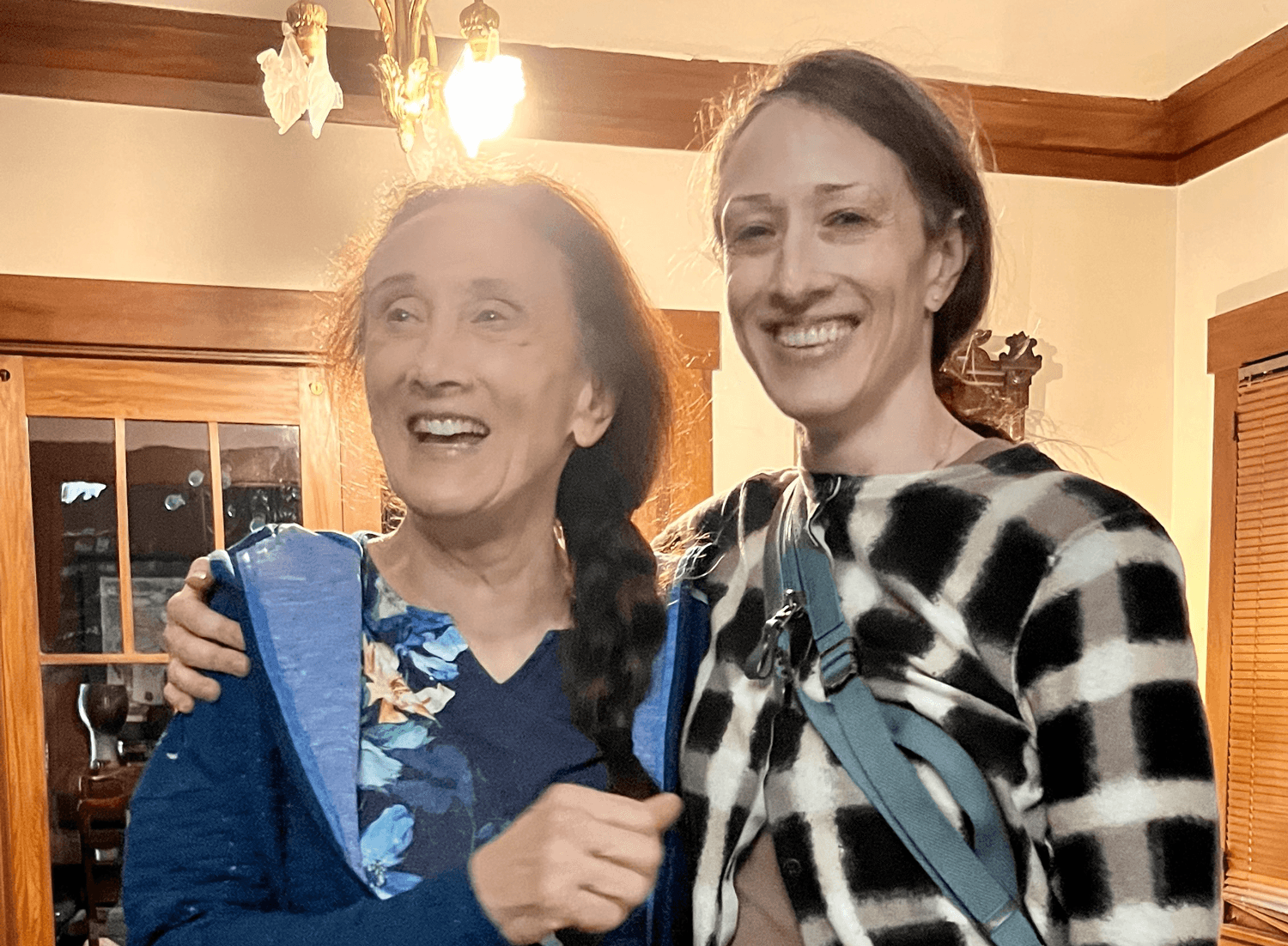
“She deserves the best care,” Annatova says. “No matter what.”
Annatova’s Advice for Families
Annatova’s experience offers actionable guidance for families navigating dementia or cognitive decline:
Put your oxygen mask on first: Prioritize your own needs and plan how your life will continue alongside caregiving. Protect your passions, space, and well-being so you can show up fully for your aging loved one.
Never be satisfied: Continuously evaluate care systems, the environment, and professional support. Seek opportunities to improve quality of life for both the aging parent and the family caregiver.
You don’t have to save them alone: A coordinated team distributes responsibility and prevents emotional collapse. Caregiving is a shared effort, and the pressure does not need to rest on one person.
When families take control and move from reactive chaos to structured support, everyone benefits. Aging parents receive dignified, enriched care. Adult children retain identity, autonomy, and balance. Relationships often begin to heal despite early challenges.
Coordinated Care Team Ecosystem
Annatova often refers to herself as the CEO of Taking Care of Terry. In reality, she is a leader within a system designed to support both her aging mother and herself.
With professionals guiding care, Terry is thriving. With support in place, Annatova can live her own life fully.
For CareFamily, the lesson is clear: care is not a single service. It is a coordinated ecosystem. When built thoughtfully, that ecosystem protects dignity, preserves relationships, and allows adult children to support aging parents without losing themselves.
Sometimes, it even creates space for healing.